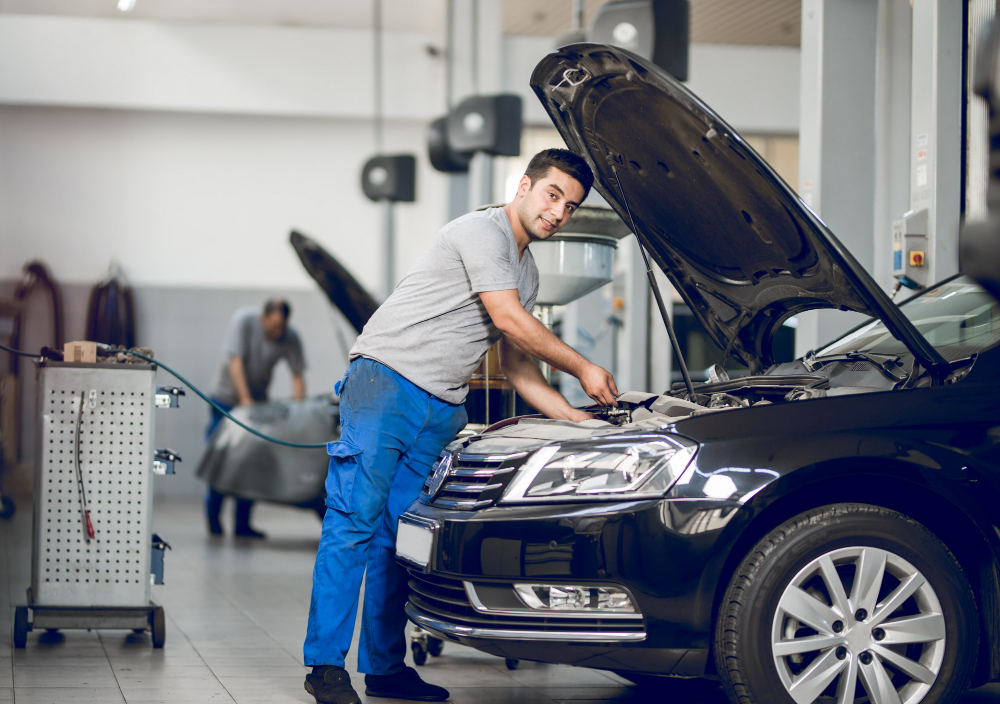
Winter is a challenging time for cars of any make. Vehicles are exposed to harsh operating conditions (temperature and humidity fluctuations, ice, condensation on parts and components, and much more). All of this increases wear and tear, so it is important to prepare your car and protect key components before the cold season begins.
What Happens if You Don’t Prepare Your Vehicle?
Sometimes car owners ignore preparation and only turn to a service center after problems or malfunctions occur. During the winter, we often see clients reporting the following issues:
- The car skids due to worn brake pads or seized calipers.
- Brakes stop working because of leaks in the brake cylinders.
- Worn ball joints, tie rods, and suspension arm bushings.
- The battery loses charge quickly.
- Wiring becomes oxidized and unreliable.
- Drive belts develop damage, risking sudden breakage.
- The body is negatively affected by de-icing agents.
- The windshield washer tank becomes deformed due to accumulated water.
- High oil viscosity causes increased engine wear.
Tips for Preparing Your Car for Winter
First, make sure you have winter tires. Tires should be changed when the average daytime temperature drops to around minus 5°C. Winter tires usually have the M+S marking, and the minimum tread depth should be 4 mm. Also, check tire pressure, as it may drop in cold weather. If you frequently drive on icy roads, consider using studded tires.
To ensure good visibility in winter, check your wiper blades. Apply protective wax to the body and windows to prevent corrosion from salt. Door seals should be treated with silicone to prevent freezing. Make sure wipers, heated windows, and mirrors are working properly.
Check all fluids: coolant, windshield washer fluid, transmission fluid, and engine oil. During cold periods, it is better to use synthetic fluids, as they do not freeze at low temperatures.
Check the battery. Cold weather is a real test for batteries. Before the season starts, prepare the battery and clean the terminals. Connect it to a charger for at least 8–12 hours.
Pay attention to the brake system. If fluid levels drop too quickly, replace the brake pads before the cold season. It is also a good idea to check the condition of the cylinders.
Clean filters and replace them if necessary. Frequent temperature fluctuations can cause condensation. Replacing filters helps protect the engine from dust and dirt.
In winter, carefully monitor your fuel tank level. A partially empty tank can lead to condensation, which may freeze and block the fuel system. The engine may simply fail to start.
Check all lights and replace any that are not working or damaged.
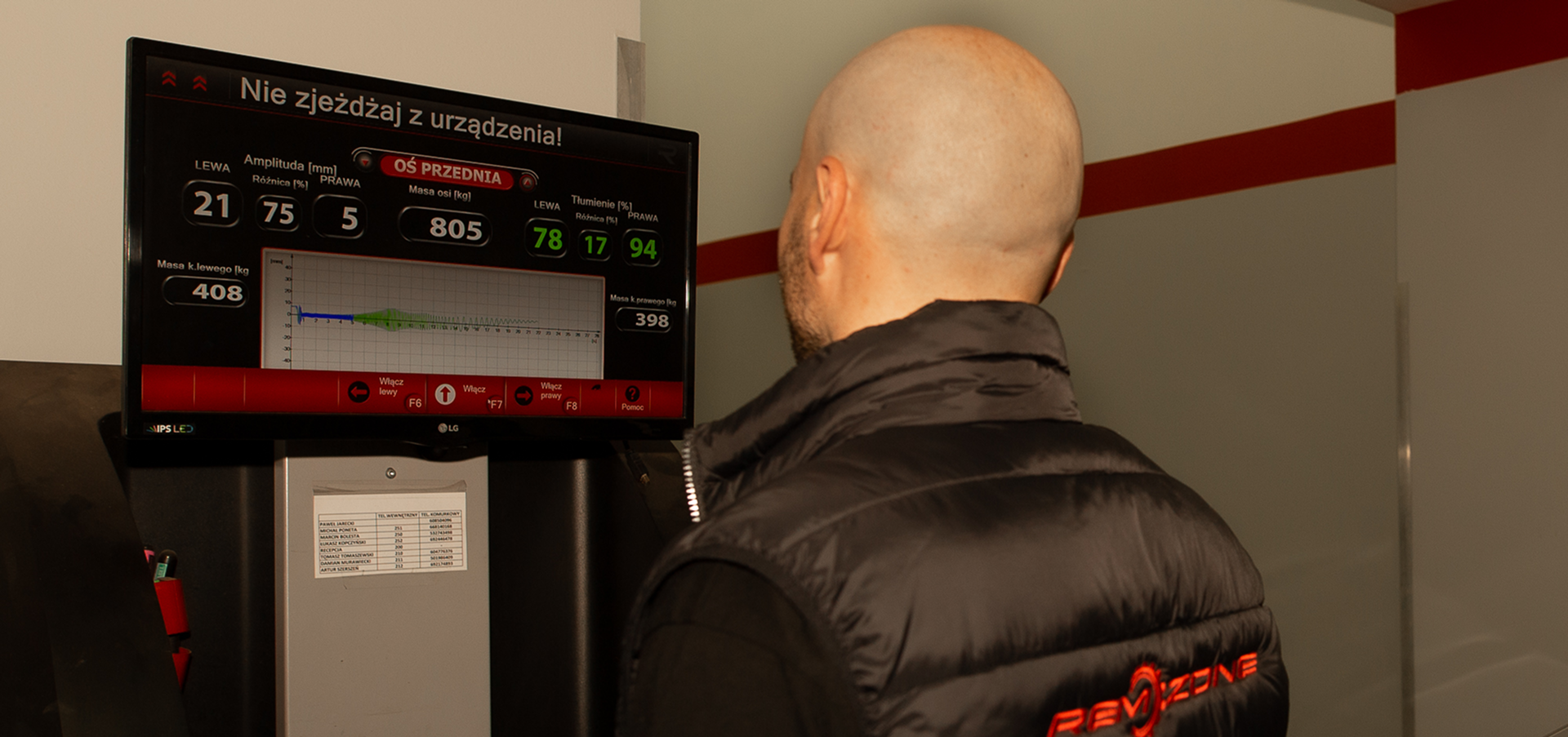
Another important aspect of winter preparation is performing wheel alignment. This should be done immediately after changing tires. Incorrect alignment can quickly wear out winter tires. Proper adjustment is also crucial because even slight deviations can reduce vehicle stability on slippery roads and compromise traction. Improper alignment causes fast tire wear, and in winter, every millimeter counts.
In addition to general car preparation, which can be done at our auto service center in Warsaw, it is recommended to prepare a personal winter kit. This should include: a flashlight, a snow brush, a warning triangle, a tow rope, jumper cables, and a shovel for snow removal.