The brake system is one of the most important safety elements of a car. Unlike other components, it does not fail suddenly – there are always symptoms indicating a problem. The issue is often that many drivers don’t know which signs are dangerous and which can wait a little longer. At our Warsaw car service center “RemZone”, we frequently encounter situations where the time to replace brake system components was irretrievably missed, making repairs very expensive. In addition, driving a car with faulty brakes is dangerous. That’s why today we decided to review the main signs of brake system wear and their importance.
Brake Operation Features and Lifespan
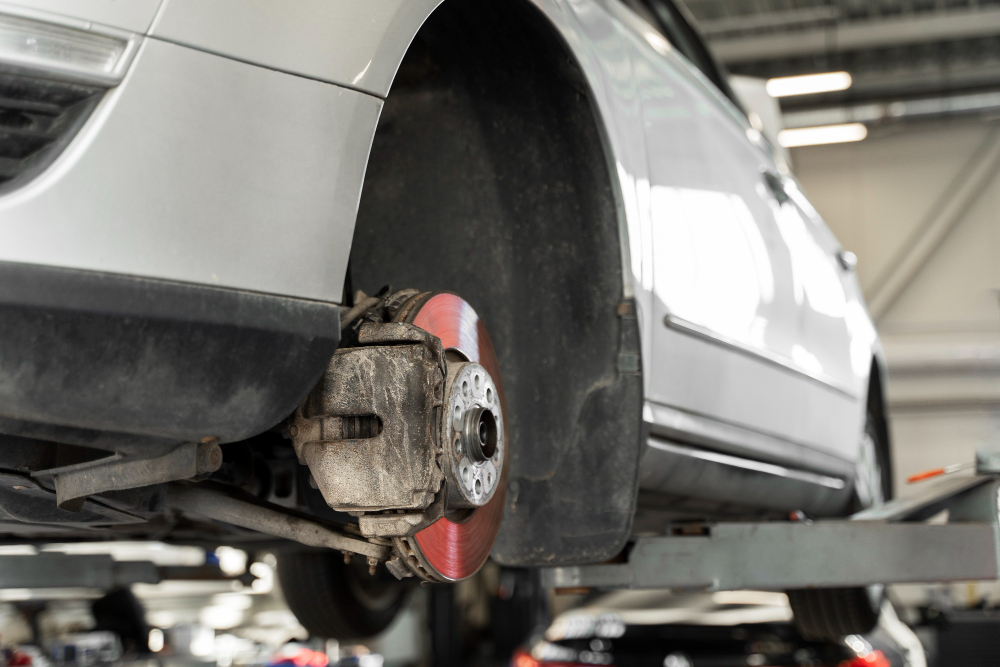
Most passenger cars use a hydraulic brake system: when the driver presses the brake pedal, the force is transmitted through brake fluid to the calipers, which press the pads against the brake discs or drums. However, even the highest quality components wear out over time, and a failure can occur in any of them. This directly affects braking efficiency.
The lifespan of system components depends on driving style, frequency of sudden stops, driving conditions (city streets or rural roads), traffic density, quality of installed parts, and the technical condition of the calipers. Relying on average figures is not the best approach. However, it is useful to know approximate replacement intervals: for brake pads, these are (front – 30–50 thousand km, rear – 50–80 thousand km), discs – 80–150 thousand km, and brake fluid is best replaced every 40–60 thousand km.
Symptoms That Indicate Something Is Wrong with Your Brakes
There are several signs that indicate the brake system is not functioning properly:
- Unusual noises when braking. If you hear banging, knocking, or grinding when pressing the pedal, this often indicates severe pad wear (sometimes down to metal), damaged brake discs, or problems with caliper mounting.
- Steering wheel or body vibrations. If the steering wheel or the whole car shakes during braking, the cause may be warped or unevenly worn discs. Similar symptoms can also occur due to suspension problems or hub bearing issues.
- The car pulls to one side while braking. If the vehicle slows unevenly or pulls left or right, it could be a faulty caliper, uneven pad wear, air in the system, or a brake fluid leak.
- Unusual brake pedal behavior. A “sinking” pedal usually indicates low brake fluid, a leak, or air in the system. If the pedal has become too hard, the cause may be a faulty vacuum booster or ABS system.
- Increased braking distance. If the car requires more distance to come to a full stop, it is usually related to worn pads or discs, old brake fluid, or a malfunctioning anti-lock system.
- Warning light is on. A yellow light usually warns of a malfunction or wear of components. A red light indicates a serious problem – low brake fluid level or a critical brake system failure. A red warning light is a signal to stop immediately – you may even need to call a tow truck.
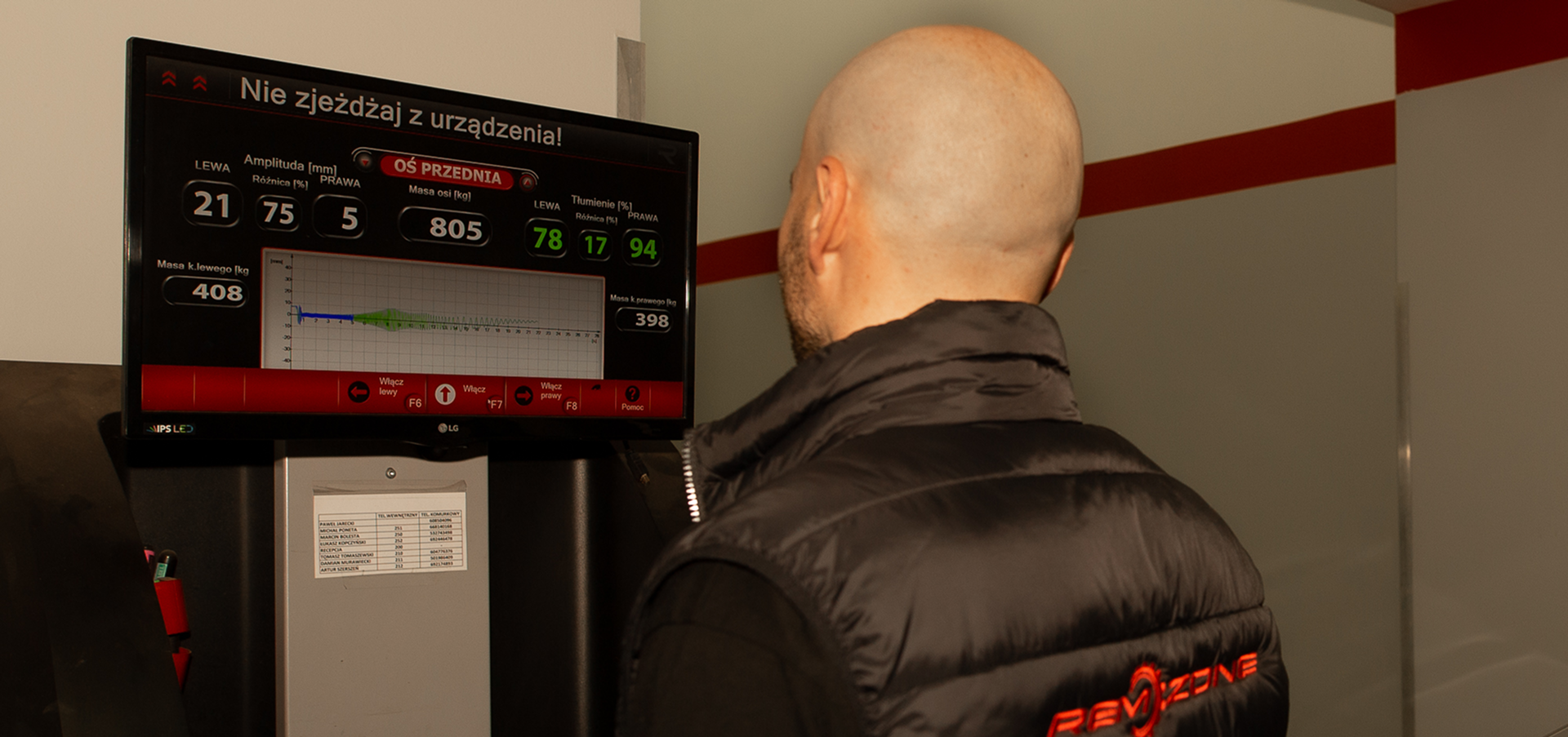
If your car’s behavior has changed, it’s not a minor issue but a reason to visit a service center. Our technicians can quickly and accurately identify the problem and fix it: they will measure the thickness of pads and discs, check the condition of calipers, assess brake fluid quality, and detect hidden faults. The sooner you notice deviations, the faster and cheaper they can be resolved.